How to Find the Right Air Conditioning Installer for Your Home
Air conditioning is becoming an increasingly practical choice for London homeowners. Warmer summers, better-insulated properties, loft conversions and home offices have all made indoor temperature control more important than ever. A modern air conditioning system can help keep your home cool in summer, provide efficient heating in colder months and improve overall indoor comfort throughout the year.
However, choosing the right installer is just as important as choosing the right system. Poor installation can lead to higher running costs, reduced performance, unnecessary repairs and a shorter system lifespan. If you are planning air conditioning for your London home, here is what to consider before hiring an installer.
Understand What Type of Air Conditioning Your Home Needs
Before speaking to installers, think carefully about where you need air conditioning and how you plan to use it.
Some homeowners only want to cool one bedroom or home office, while others may need a system for several rooms. The size, layout and insulation of your property will all affect which type of system is most suitable.
Common residential options include:
- Single split systems for one room.
- Multi-split systems for several rooms.
- Ducted systems for a more discreet whole-home solution.
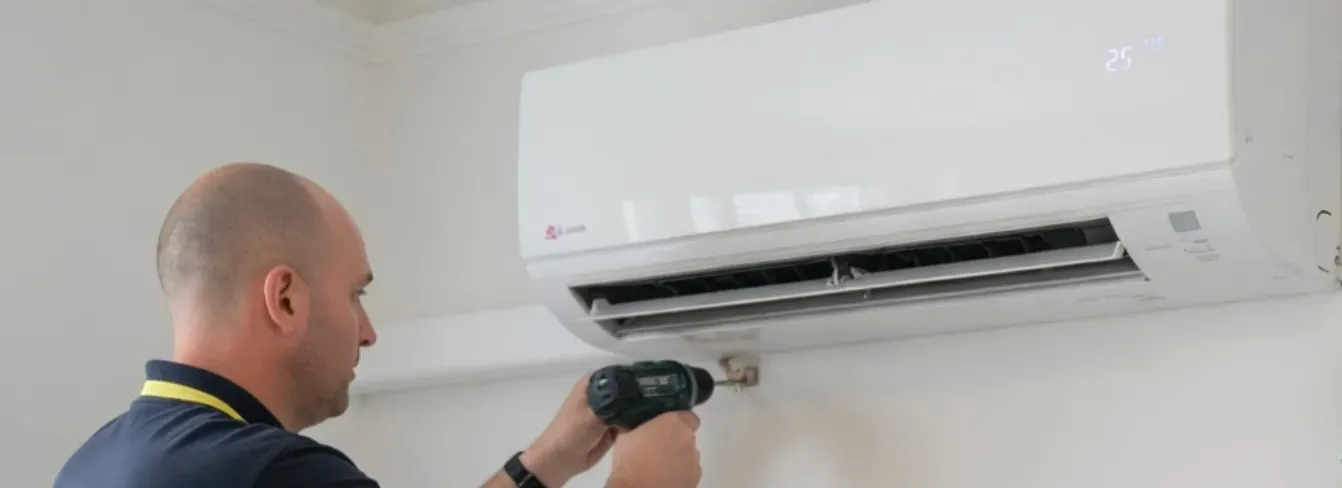
- Wall-mounted units for bedrooms, living rooms and offices.
A reliable installer should assess your property properly before recommending a system. Be cautious of anyone who offers a fixed solution without looking at room size, layout, insulation or outdoor unit placement.
Choose an Installer with London Residential Experience
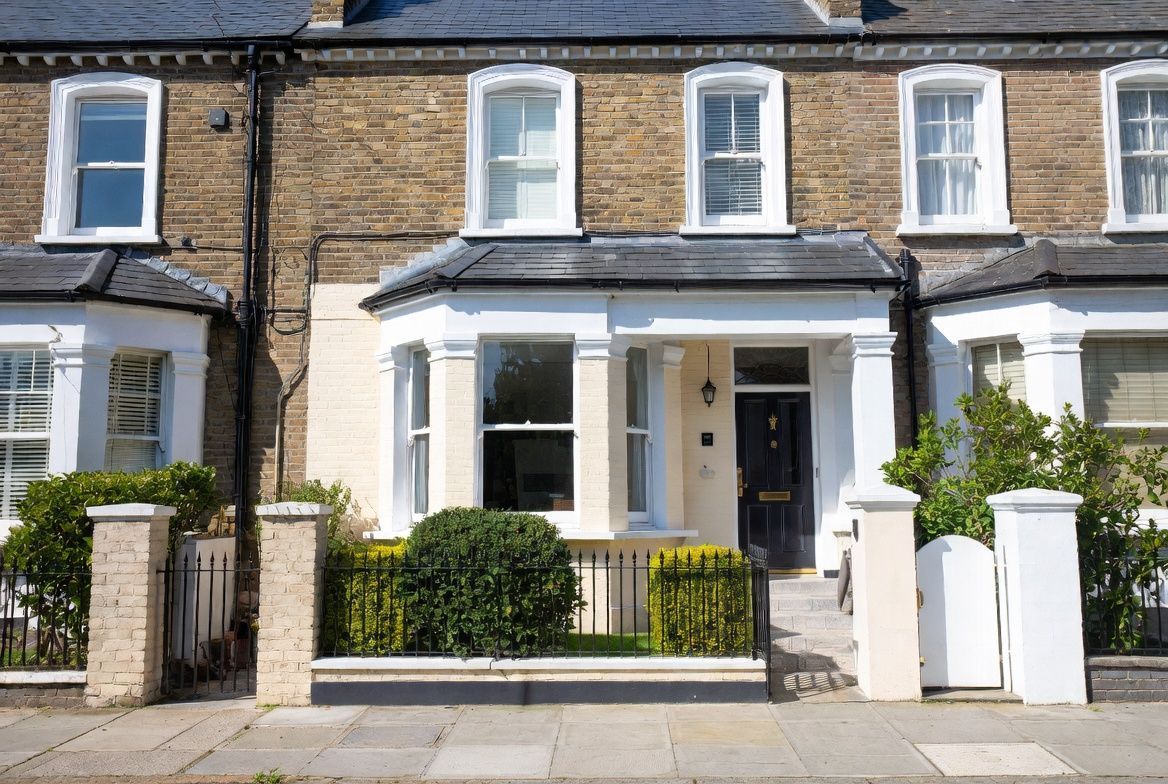
London properties vary widely. A Victorian terrace, a converted flat, a new-build apartment and a large detached home can all require different installation approaches.
An installer with local residential experience will understand common challenges such as:
- Limited outdoor space for external units.
- Flats and leasehold property restrictions.
- Noise considerations in built-up areas.
- Period property layouts.
- Loft conversions that retain heat.
- Conservation area or planning concerns.
This kind of experience helps ensure the system is installed in a way that suits both your home and your local surroundings.
Check Qualifications and Compliance
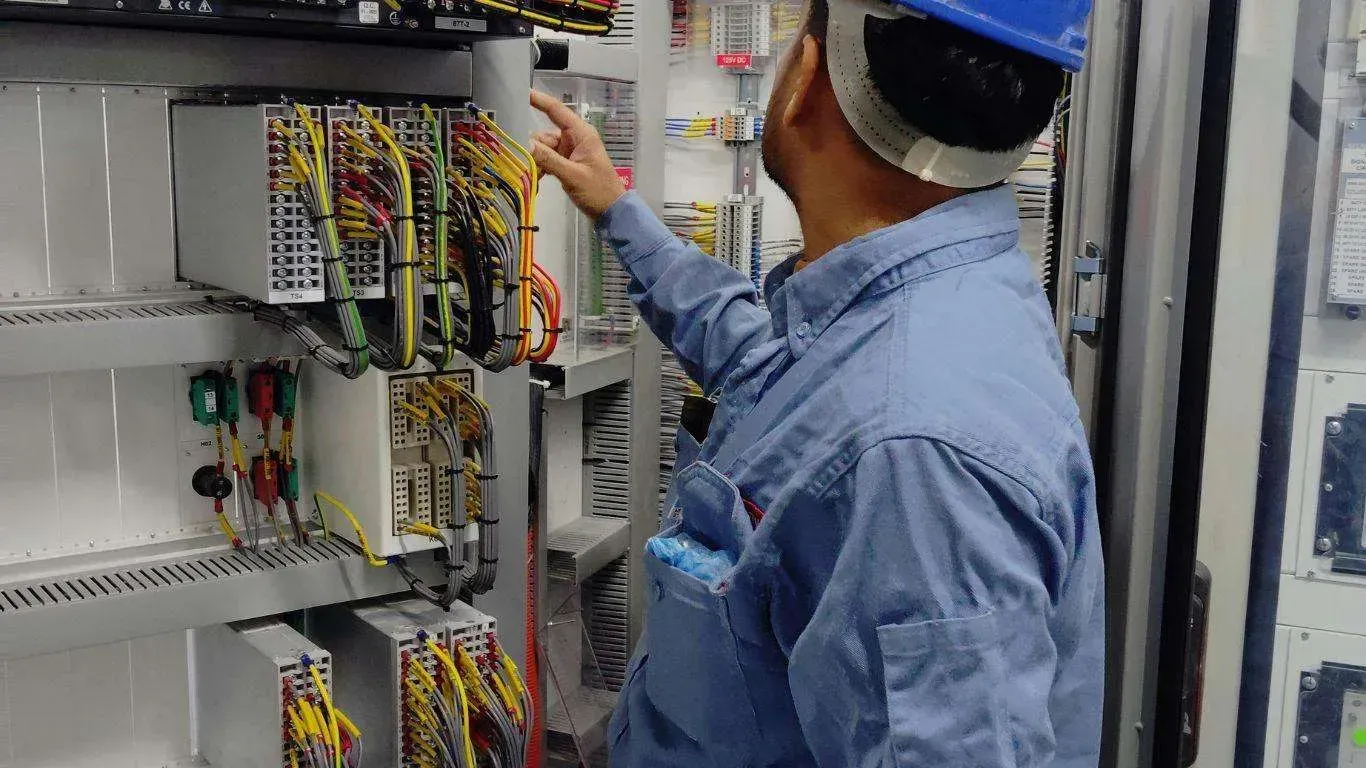
Air conditioning installation involves electrical work, refrigerants and specialist equipment. For this reason, you should always choose a properly qualified installer.
Ask whether the company has engineers with the correct certifications, including F-Gas qualifications for handling refrigerants. You should also check whether the installation will comply with manufacturer guidelines and any relevant UK regulations.
A trustworthy installer should be able to explain:
- Who will carry out the work.
- What qualifications they hold.
- Whether the system comes with a warranty.
- What paperwork or certification you will receive.
- How the installation will be completed safely.
This helps protect your home, your warranty and the long-term performance of the system.
Ask for a Proper Home Survey
A professional installer should carry out a survey before providing a final quotation. This allows them to understand your property, recommend the correct system size and identify any potential installation issues.
During the survey, they should consider:
- Room dimensions.
- Ceiling height.
- Insulation levels.
- Window size and sun exposure.
- Electrical supply.
- Indoor unit location.
- Outdoor unit position.
- Pipework routes.
Correct sizing is important. A system that is too small may struggle to cool the room, while an oversized system may cycle on and off too frequently, reducing efficiency and comfort.
Compare Detailed Quotations
It is sensible to get more than one quotation, but do not base your decision on price alone. The cheapest quote may not include the same level of equipment, workmanship, warranty or aftercare.
A detailed air conditioning quote should include:
- The recommended system.
- Equipment brand and model.
- Installation costs.
- Warranty details.
- Any electrical work required.
- Positioning of indoor and outdoor units.
- Expected timescale.
- Servicing recommendations.
If a quotation is vague, ask for clarification before agreeing to proceed. Clear documentation helps avoid unexpected costs later.
Consider Energy Efficiency and Running Costs
Modern air conditioning systems are designed to be much more efficient than older units. Many systems can also provide heating as well as cooling, making them useful throughout the year.
When comparing systems, ask your installer about:
- Energy efficiency ratings.
- Heating and cooling performance.
- Typical running costs.
- Smart controls or timers.
- Noise levels.
- Maintenance needs.
A good installer should help you choose a system that balances comfort, efficiency and budget.
Look at Reviews and Previous Work
Customer reviews can give you a better understanding of how an installer works in real homes. Look for comments about punctuality, communication, cleanliness, workmanship and aftercare.
It is also worth asking whether the company can show examples of previous residential installations. This can help you judge whether they have experience with similar properties and projects.
For homeowners comparing professional options, WPJ Heating's air conditioning services in London offer useful information about residential installations and what to expect when planning a system for your home.
Ask About Aftercare and Servicing
Air conditioning systems need regular maintenance to keep them working efficiently. Servicing can help improve performance, protect indoor air quality and reduce the chance of breakdowns.
Before choosing an installer, ask:
- Do they offer annual servicing?
- What is included in a maintenance visit?
- How often should filters be cleaned or replaced?
- Who should you contact if there is a fault?
- Does servicing affect the warranty?
Choosing a company that offers ongoing support can be more valuable than saving a small amount on the initial installation.
Red Flags to Watch Out For
Be careful if an installer:
- Gives a quote without asking questions or visiting the property.
- Cannot explain their qualifications.
- Avoids discussing warranties.
- Pressures you into a quick decision.
- Offers a price that seems unusually low.
- Provides little detail about the system being installed.
- Has poor or inconsistent reviews.
A professional installer should be transparent, helpful and willing to answer your questions clearly.
Final Thoughts
Finding the right air conditioning installer for your home takes more than choosing the lowest price. You need someone who understands residential systems, has experience with London properties, works safely and provides clear advice before, during and after installation.
By checking qualifications, requesting a proper survey, comparing detailed quotations and asking about aftercare, you can choose an installer with confidence. A well-installed air conditioning system can improve comfort, support better indoor air quality and provide reliable heating and cooling for years to come. see our complete
guide to home improvement services in Peterborough.